
In a world of constant mental chatter, our hands often speak a different language of rhythm, touch, and movement. Consider the simple act of smoothing your bedspread in the morning or kneading dough for bread. As your hands engage in these gentle, repetitive motions, something in the mind softens. The need to analyze or ruminate gives way to a quiet presence. It’s as if the hands whisper to the busy mind, saying, “Be still. Be here.” There is a quiet relationship between what our hands do and how our mind feels, one that has profound implications for finding inner stillness.
Hands as Anchors to the Present Moment
One reason these tactile tasks can halt repetitive thinking is that they anchor us in the present. Mindfulness practices often encourage focusing on a single point of contact with reality (like the breath, or the sensation of feet on the ground) to cultivate presence. The hands can serve this purpose beautifully. When you involve your hands in a rhythmic, tactile activity, they become like anchors dropped into the sea of now, keeping you from drifting away on currents of thought. Many seasoned meditators focus on bodily sensations or breathing to center their attention, but a musician or craftsperson might focus on the instrument or material in their hands instead. The effect is similar: attention narrows to a concrete, here-and-now experience, and the mind’s background noise fades.
Consider a potter shaping clay on a wheel. The hands feel the texture of the wet clay, fingers adjusting pressure in response to the subtle changes in form. The entire awareness can settle into that contact point of skin against clay, and in doing so, stray thoughts are naturally pushed to the margins. The clay doesn’t care about yesterday or tomorrow; it responds only to the touch at this moment. Likewise, a gardener pruning a bonsai or a person slowly strumming an acoustic guitar may find that their awareness is gently guided into the immediate present by virtue of the task at hand. The hands lead and the mind follows.
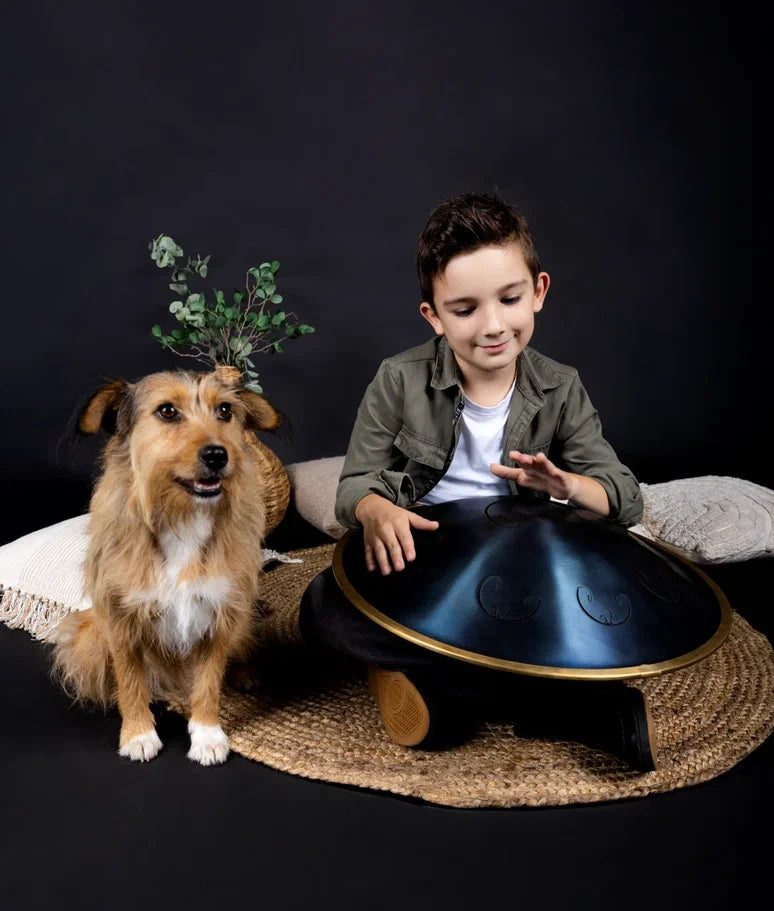
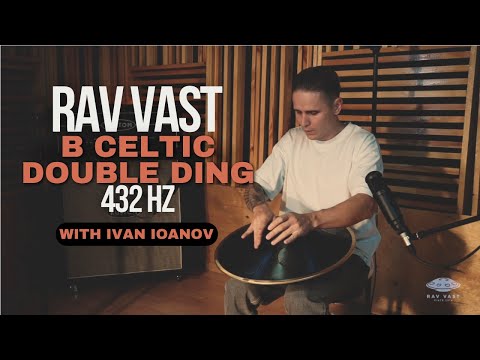
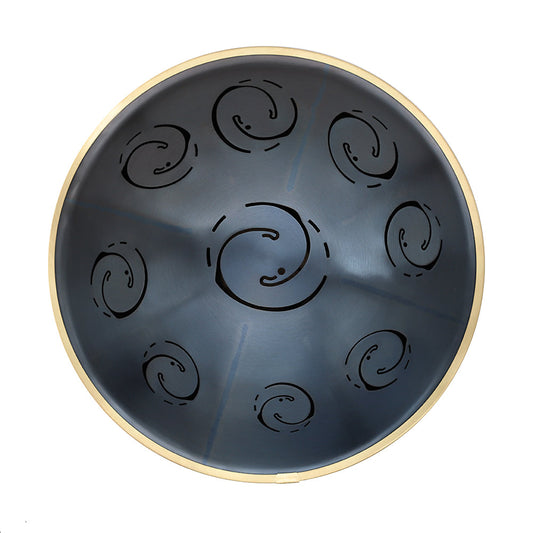
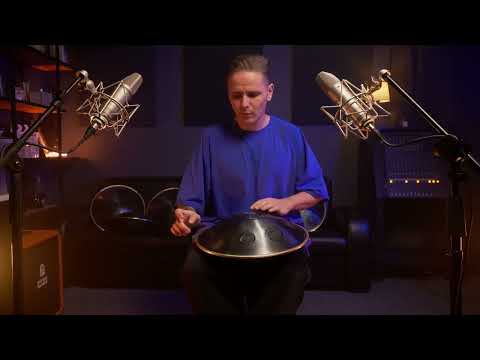
When one plays the RAV Vast drum for presence rather than performance, this anchoring effect can be noticed clearly. There’s no sheet music to read, no audience to impress, no future outcome to worry about. Instead, there is just the feel of your fingertips contacting the cool metal, the slight bounce as a tongue of the drum vibrates, and the mellow tone ringing out. You are simply listening and feeling, here and now. Repetitive actions like these provide a mental anchor; they gently pull attention away from abstract worries and into the concrete reality of movement and sound. In these moments, the mind isn’t forced into silence (which often doesn’t work); rather, it’s invited into it. The hands invite the mind to come and sit by the gentle river of sensory experience, and the mind, lulled by the consistency of that experience, settles naturally into quiet observation.
This phenomenon also highlights why such hand-centric activities are often described as grounding. “Grounding” means to firmly root oneself in the present reality. The tactile feedback from our hands, the texture of a guitar string, the weight of knitting needles, and the vibration of a drum skin serves as tangible points of reference. They continually draw the mind back from wherever it might wander. Each time attention drifts, the ongoing sensory input says, “Come back here, feel this”. In time, a habit of presence can form, where the mind learns to take refuge in the simple attentiveness of the hands.
Breaking the Loop of Thought with Movement
We’ve all experienced a relentless loop of thoughts. We replay a conversation, worry about the future, or just cycle through our to-do lists. These automatic thought patterns, often called rumination, can trap us in our heads. Engaging the body, and particularly the hands, in a task is one way to gently disrupt that mental loop. Think of the childhood trick of patting your head while rubbing your stomach. It’s a silly coordination exercise, but it proves a point: when you attempt this dual movement, it’s almost impossible to continue repetitive thinking at the same time. All your attention shifts to the challenge of the task. The coordinated movement interrupts the usual thought stream. You suddenly have no bandwidth for worrying about what’s for dinner or rehashing an earlier argument. In essence, movement acts as a circuit-breaker for thought.
This isn’t just a quirky anecdote; science backs up the idea that engaging the body can help break the cycle of repetitive negative thinking. Physical movement occupies the brain in a way that distracts it from rumination. In fact, systematic research has shown that movement-based interventions can significantly reduce repetitive negative thoughts like worry and rumination. When your hands (or body) are busy with a task, especially one requiring focus or coordination, the mind has less chance to stray down its usual rabbit holes. It’s as if movement gives the mind a different focal point, pulling it out of the self-perpetuating loop of thoughts. Many therapeutic practices leverage this principle. For example, some anxiety-relief techniques involve tapping or alternating movements of the hands, based on the observation that it’s hard to maintain anxious rumination when you’re performing a tactile, patterned action. From casually doodling in a notebook to more structured activities like knitting or woodcarving, giving the hands something to do often quiets the mind. The repetitive hand motion becomes a gentle metronome for the psyche, slowing down racing thoughts with each cycle.
Real-world metaphors abound. Imagine trying to solve a math problem while threading a needle – your mind must choose where to direct its resources. By engaging the hands, we essentially ask the mind to attend here and now, which leaves less energy for mental time-travel or obsessive rehashing. No wonder that even simple fidgeting or squeezing a stress ball can provide relief in a tense moment; the hands steal some control from the runaway mind. In the quiet that follows, we often find a bit of a breathing room and a moment of presence.

When Hands Lead the Mind into Stillness
Western culture often assumes that the mind is the command center, and the body simply follows orders. We try to think our way into calm using reason to talk ourselves out of anxiety or forcing our thoughts to stop through willpower and often end up with limited success. The quiet relationship between hands and mind offers a gentler alternative: let the body lead, and the mind will follow. Engaging in a rhythmic hand activity is like giving the mind a ride to a peaceful place, rather than commanding it to go there on its own. It leverages an age-old insight: movement can be a foundation for mental stillness.
Many contemplative traditions understood this well. Practices like yoga, tai chi, or walking meditation use bodily movement as a gateway to mental clarity. A flowing tai chi sequence, for example, involves the hands and arms moving in slow, deliberate patterns. The practitioner focuses on those movements, how they feel, coordinating breath with motion. In doing so, the mind has little opportunity to leap around in its usual way. Over time, the movements become second nature, and the mind grows even quieter, riding the wave of physical grace. As the saying goes, “chop wood, carry water”, simple physical tasks done with full awareness can themselves be a form of meditation. The body is busy, and the mind, paradoxically, gets to rest.
The idea that the hands can lead the mind into stillness, rather than the other way around is empowering. It means that when inner stillness feels inaccessible through thinking alone, we can approach it from another angle, through doing. Have you ever noticed that after a bout of physical activity, like cleaning the house or going for a rhythmic jog, your head feels clearer? It’s not just the effect of “blowing off steam”; it’s also that your attention was absorbed in bodily action for a time, giving the mental loops a chance to unravel. Even gentle hand movements can achieve this on a small scale. The hands, in essence, lead the mind out of the maze of worry and into a quieter corner.
Through these examples, we see a recurring truth: mindfulness can start in the hands. When thoughts are racing or emotions are high, trying to “think our way out” can feel like wrestling the wind. But if we shift focus to what the hands are doing, we ground ourselves in something real and controllable. The mind, given this steady ground, often finds it can let go. Presence isn’t achieved by force; it’s invited by action. By keeping our hands moving with intention and rhythm, we create a container for the mind where it can safely untangle itself and come to rest.

The Calming Rhythm: Repetition and the Nervous System
Why are rhythmic, repetitive hand movements soothing to us? Part of the answer lies in how our nervous system responds to rhythm and predictability. The human brain, it turns out, is inherently rhythmic. From our heartbeat to our brainwaves, we are tuned to patterns. When we engage in a steady, repetitive motion. The brain picks up that pattern and begins to fall in sync. Consistency signals to our nervous system that it’s okay to relax; nothing unexpected is happening; no new threats are present.
Repetitive movements actually help shift the body into the parasympathetic state – often nicknamed the “rest and digest” mode, which is the opposite of the fight-or-flight stress response. When movements repeat in a steady pattern, the nervous system begins to relax, because the brain doesn’t need to remain on high alert for new stimuli. Breathing tends to become more regular, the heart rate steadies, and muscle tension eases up in this state. If you’ve ever found yourself mindlessly rocking back and forth to self-soothe, or tapping your foot methodically and feeling oddly calmer, that’s the nervous system using rhythm to regulate itself.
There’s also a biochemical component. Gentle rhythmic movements of the hands and body can trigger the release of calming neurochemicals. So when you engage in a calming, repetitive hand activity, you’re not only occupying your mind but you’re also telling your body on a biological level that it can safeIy unwind. The result is often a noticeable sense of relief or calm after just a few minutes of a rhythmic practice, be it knitting, drumming, or slowly stirring a pot of soup.
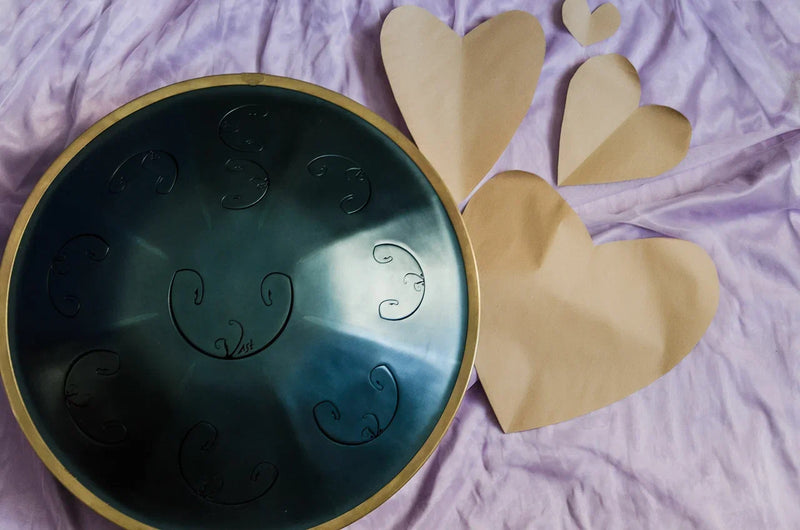
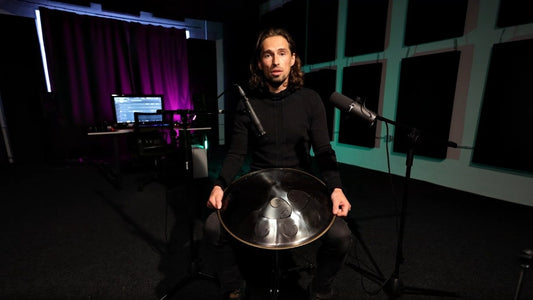
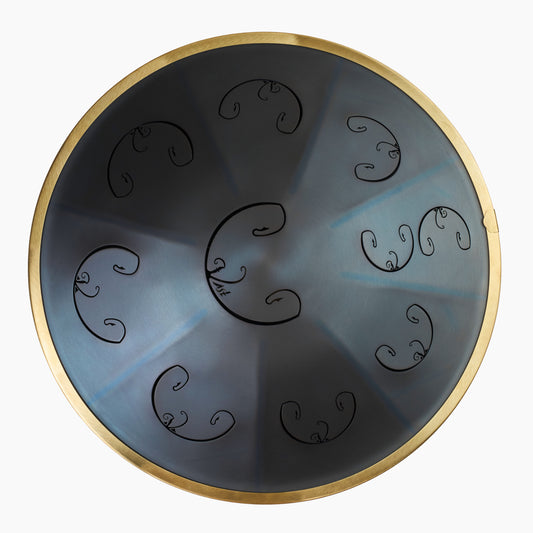
In the case of our recurring example, the RAV Vast drum, its design deliberately utilizes this phenomenon. The instrument’s resonant, sustained tones create a kind of auditory continuum that encourages the player to fall into a slow, even tempo. The notes themselves are arranged so harmoniously that there’s no dissonance, nothing jarring or unexpected to pull one out of the flow. As a result, playing a RAV Vast can feel like stepping into a calming current of sound. The long sustain of each note almost “holds” you in a gentle sonic embrace, lengthening the spaces between thoughts. It’s no surprise that instruments like this are used in meditation and sound therapy sessions; their prolonged tones and soothing vibrations create a calming atmosphere, guiding both body and mind toward relaxation. In community drum circles or personal practice, for example, people often report feeling “in the zone,” relaxed yet alert, after playing a repetitive beat for a while. This is the physiological and psychological power of rhythmic repetition: it anchors our attention and gently escorts our nervous system into a calmer mode.
In the gentle ringing of the RAV Vast, this principle finds a clear voice.
There’s something unmistakably grounding in the way this instrument invites the hands to move. Unlike traditional instruments that require precision, years of training, or a structured vocabulary, the RAV Vast meets the player exactly where they are. You don’t need to know music theory. You don’t need to think in scales or patterns. All you need are your hands.
From the very first touch, the RAV responds with a voice that feels ancient and familiar. The steel body hums with warmth. Notes linger in the air like slow exhalation. You tap one tongue, then another, and something like a conversation begins. This conversation is not between you and the instrument, but between your body and your inner world. The hands fall into a rhythm that feels less like performance and more like remembering. Remembering how to be with yourself. How to slow down. How to hear your own breath beneath the noise.
Because its scale is tuned to harmonious intervals, the RAV removes the pressure of playing “correctly.” There are no wrong notes. This subtle freedom rewires the internal posture from self-judgment to gentle exploration. The mind is no longer trying to evaluate or anticipate. It simply follows as the hands lead it into sound. In this way, the RAV becomes more than a musical object; it becomes a container for attention.
The physical experience matters, too. The coolness of the metal under your fingertips. The soft resistance when you strike a note. The faint buzz that reverberates through your palms. All of it pulls the senses into the body, into the here and now. Playing the RAV is as much about touch as it is about tone. It engages the whole system, This is not music as escape. It’s music as return.
Over time, this relationship can evolve into something ritualistic. Some people begin their mornings with ten quiet minutes on the RAV. Others reach for it when words feel too tight or the world is too loud. It becomes a trusted object, a steady anchor when the current of life pulls too hard. Like sitting beside a stream, the sound never demands. It simply offers itself. You arrive as you are, and the drum holds space for whatever that is, stillness, confusion, grief, joy.
In a time where so much of life demands output and urgency, the RAV offers a rare kind of companionship: one that asks nothing but presence. A few minutes with it, and the noise within begins to soften. The thoughts slow. The tension melts. What remains is a quiet rhythm, a steady hand, and a mind gently coming home.