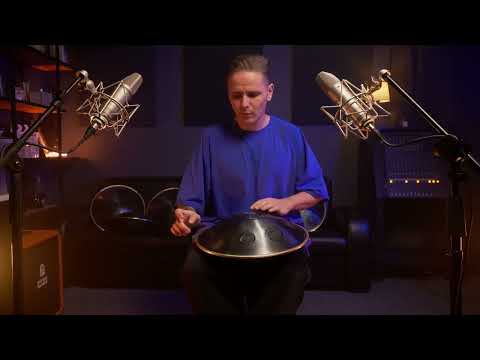

Throughout history, people used rhythm, melody, and sound to express themselves. Music has always been our way of expressing emotions, telling stories, and connecting with the world around us. Among the many instruments that have been created across cultures, percussion instruments stand out for their primal and universal appeal.
The steady beat of a drum echoes the rhythm of the human heartbeat. The rolling patterns of drums can sound like waves crashing on a shore. Quick, sharp strikes recall the patter of rain, while deep, resonant tones resemble thunder in the distance.
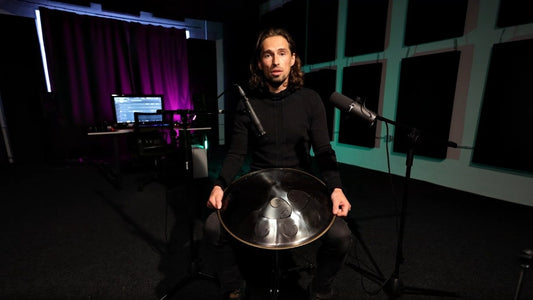
Drums, bells, and hand-played instruments have existed all around the globe. They are an essential part of rituals, celebrations, and daily life. The RAV Vast, a modern steel tongue drum, continues this long legacy while also carving out its own identity as a unique and innovative instrument.
The RAV Vast is the result of centuries of experimentation, cultural exchange, and the timeless human need for rhythm. In this article, we will trace the history of hand-played percussion, examine how early experimental instruments paved the way for the RAV Vast, and explore the cultural impact it has had in both traditional and modern contexts. By the end, we will see the way RAV Vast is a bridge between folk traditions and modern music-making.

Roots of Hand-Played Percussion in Folk Music
Percussion is perhaps the oldest family of instruments known to humanity. Even before the development of string or wind instruments, early humans discovered that striking wood, stone, or stretched animal skins could produce rhythm. This discovery evolved into drums and other hand-played instruments, many of which became central to cultural traditions.
Global Traditions
- Africa: The djembe drum, originating in West Africa, has been used for ceremonies, communication, and storytelling. Played with bare hands, it creates both deep bass and sharp tones, allowing for complex rhythms that reflect the social fabric of African communities.
- South Asia: The tabla of India is another iconic hand-played percussion instrument. It is used in classical, devotional, and folk music. The tabla demonstrates how rhythm can be as sophisticated as melody.
- Native America: Indigenous cultures across the Americas used frame drums, rattles, and log drums to accompany dances and rituals. These instruments were sacred tools of spiritual connection.
- Middle East: Instruments like the darbuka and daf have played vital roles in folk and classical music. Their hand-played techniques shaped the rhythmic foundations of Middle Eastern culture.

The Universal Role of Percussion
In all of these traditions, percussion was a way to bring people together, to synchronize movement, and to create a sense of belonging. Percussion instruments could be built from local materials such as wood, clay, stone, or metal. Their accessibility to all levels of society made percussion timelessand universal.
The RAV Vast, though a modern steel instrument, inherits this universal language of rhythm. Like the djembe or tabla, it can be played by hand, producing tones that feel both ancient and futuristic. Its role in today’s culture echoes the functions of folk percussion: community, meditation, storytelling, and joy.

Early Experimental Instruments That Inspired the RAV Vast
The RAV Vast did not appear out of nowhere. It is the product of a long lineage of experimental instruments, particularly in the 20th and 21st centuries.
Steelpan and the Rise of Steel Instruments
The steelpan, developed in Trinidad and Tobago during the 20th century, was one of the first major percussion innovations using metal as the main material. Originally made from oil drums, the steelpan showed that steel could produce resonant, melodic tones. This innovation inspired generations of instrument makers to experiment with new forms of metallic percussion.
The Hang and Handpan Revolution
In 2000, Swiss musicians Felix Rohner and Sabina Schärer introduced the Hang. This instrument looked like a UFO-shaped steel drum that was played with the hands. Its rich harmonics and soothing tones quickly gained popularity worldwide. The Hang gave rise to an entire family of instruments called “handpans.”
The Hang was revolutionary because it combined percussion and melody in one instrument. It could be played rhythmically like a drum but also melodically like a harp or piano. This duality inspired other creators, including those who would later design the RAV Vast.

Tongue Drums and the Shift Toward Accessibility
Another precursor was the tongue drum, made by cutting slits into wood or metal surfaces. Each slit or “tongue” produced a different pitch. Wooden tongue drums existed for centuries in Africa and Asia, often used in rituals or as communication tools. In the 20th century, metal tongue drums became more common, offering new sonic possibilities.
The RAV Vast was born from this lineage. It combines the concept of a tongue drum with the harmonic richness of a handpan, creating an accessible yet highly expressive instrument.

The Creation of RAV Vast as a Modern Steel tongue drum
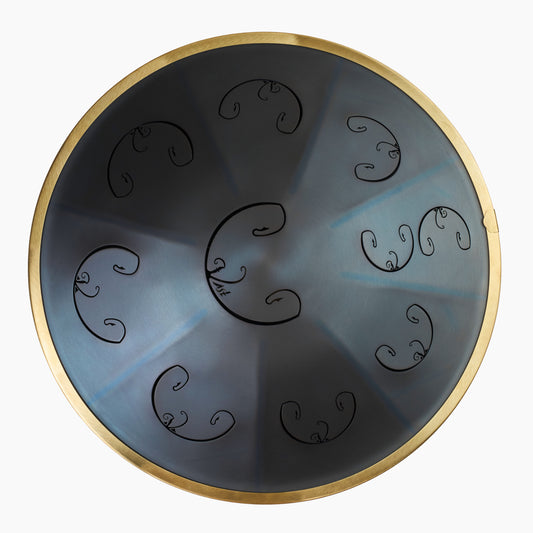
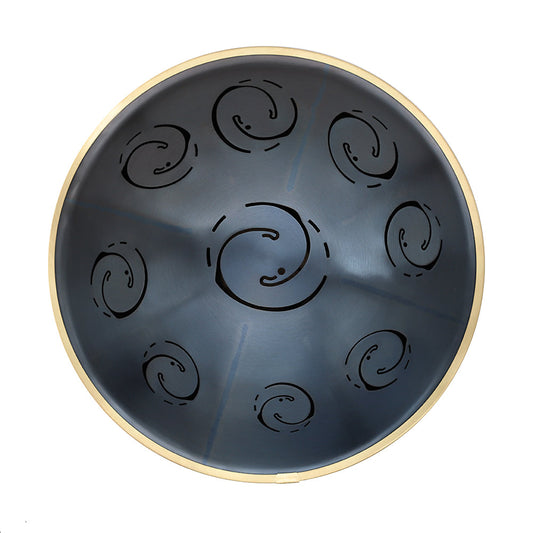
The RAV Vast was invented by Russian engineer Andrey Remyannikov in 2013. His goal was to create an instrument that combined the melodic depth of the Hang with the accessibility of tongue drums. By carefully cutting and tuning steel tongues into a circular layout, he achieved an instrument that could resonate with clarity and sustain. Its design allows for rich harmonics, and a calming tone that immediately attracts listeners.
Features of the RAV Vast
- Material: Made from steel for durability and resonance.
- Tuning: Available in multiple scales, from minor and major modes to exotic tunings inspired by world music.
- Accessibility: Easy to play even for beginners, but also versatile enough for professionals.
- Portability: Lightweight and durable, making it practical for travel and outdoor performances.
The creation of the RAV Vast represents a milestone in the evolution of hand-played percussion: a balance of tradition, innovation, and accessibility.

How RAV Vast Connects Traditional Rhythms with Contemporary Music
One of the most fascinating aspects of the RAV Vast is how it bridges past and present.
Connection to Folk Traditions
- Like the djembe, it invites communal play.
- Like the tabla, it allows for intricate rhythmic exploration.
- Like the steelpan, it demonstrates how steel can sing melodically.
Role in Contemporary Music
- Meditation and Healing: The RAV Vast is widely used in yoga, sound therapy, and meditation sessions. Its soothing tones align well with mindfulness practices.
- Collaborations: Musicians pair it with guitar, bass, violin, or electronic beats, showing its versatility.
- Genres: While strongly associated with ambient and meditative music, it is also used in jazz, world music, and even pop.
Musicians Who Use It for Healing and Performance
The RAV Vast has quickly gained recognition among musicians, therapists, and educators. Sound healers often highlight its ability to create vibrations that calm the nervous system. Its long sustain and resonant frequencies are believed to reduce stress and support emotional well-being.
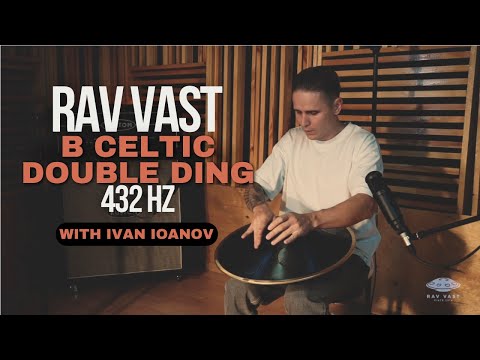
Professional musicians also use it in live performances, often combining it with other acoustic instruments. Online platforms like YouTube and Instagram are full of RAV Vast players who share tutorials, improvisations, and collaborations. This growing community contributes to the instrument’s cultural significance.

The Impact of RAV Vast on Modern Musicians and Communities
The story of the RAV Vast is about continuity and transformation. From ancient folk drums to the steelpan, from the Hang to the tongue drum, the evolution of percussion has always been about exploring new ways to express rhythm and melody.
The RAV Vast carries this legacy into the modern world. It is accessible to anyone yet powerful in the hands of experts. It connects us to ancient traditions of communal rhythm while also opening doors to meditation, healing, and contemporary music genres.
In many ways, the RAV Vast is a perfect symbol of today’s globalized musical landscape. It honors folk traditions, embraces innovation, and unites diverse communities under the shared language of rhythm. For modern musicians and listeners alike, the RAV Vast is a bridge between past and future, tradition and innovation, the personal and the universal, as well as an instrument.