
B Celtic Minor
RAV Vast · 432 Hz Watch on YouTube
THE 432 Hz COLLECTION
Find the sound you want to come back to.
Explore the lower-pitched versions of four RAV Vast scales and the chord-based RAV Anima. Listen, compare and find the instrument that feels right to you.
Acoustic instruments. Real performances. Your ears decide.
 A MOMENT WITH RAV VAST
01 / LISTEN FIRST
Give each one a moment. Follow the melody, notice the space between notes, and see which performance makes you want to play. Headphones help you hear the detail.
RAV Vast · 432 Hz Watch on YouTube
Ivan Ioanov · 432 Hz Watch on YouTube
Ivan Ioanov · 432 Hz Watch on YouTube
Ivan Ioanov · 432 Hz Watch on YouTube
These recordings show different scales and performances. For a closer comparison of tuning alone, listen to the Anima examples below.
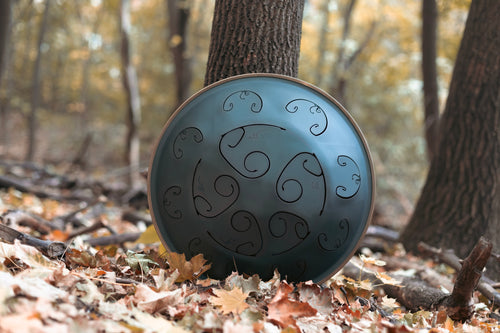
Stay a little longer: G Pygmy in nature02 / UNDERSTAND THE TUNING
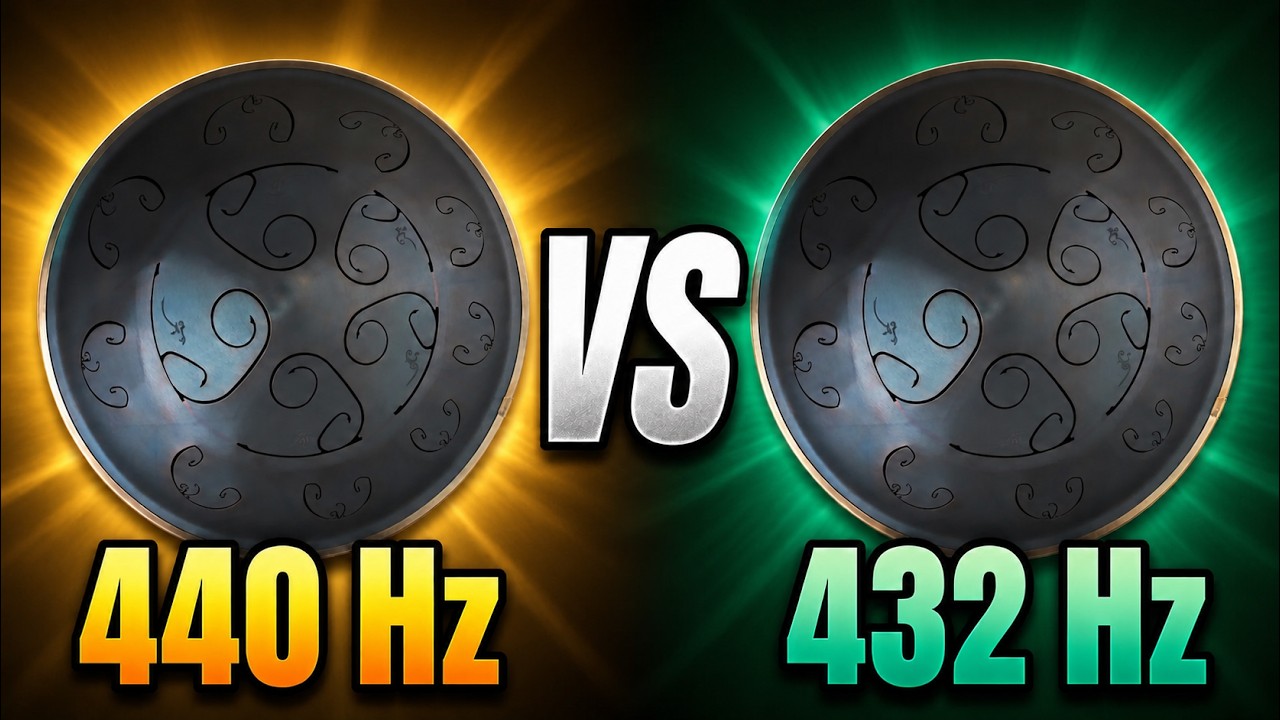
432 Hz is a tuning reference: the note A4 is set to 432 Hz instead of 440 Hz. The other notes move with it, keeping the relationships within the scale.
Warren Shanti plays the same chord progression and musical theme on both instruments, with variations in the performance. He says no recording effects were added. Watch on YouTube ↗
About 32 cents lower — roughly one third of a semitone. The 8 Hz difference refers to A4; every note is not simply lowered by 8 Hz.
Choose the tuning you enjoy listening to. A quiet session, an improvised melody or time with your instrument can begin with either one.
Match the tuning reference as well as compatible notes. A guitar can usually be retuned; a fixed-pitch piano or another drum may not be a practical match for 432 Hz.
03 / FIND YOUR INSTRUMENT
Start with the scale that caught your ear. Choose Vast for melodic exploration, or Anima if you want ready-made chords alongside melody.

MELODIC EXPLORATION
The familiar B Celtic Minor layout with an extra note to explore. A little more room for melodic ideas.

MELODIC EXPLORATION
A gentle starting point for flowing melodies. Explore a familiar favourite in its lower 432 Hz tuning.

CHORDS + MELODY
Five ready-made central chords and nine outer melody tongues. Move between harmony and melody, accompany your voice, or begin writing your own music.

MELODIC EXPLORATION
An approachable Celtic minor scale for your first melodies, quiet patterns and unhurried improvisation.

MELODIC EXPLORATION
Explore a different melodic character. Start with the performance above and follow the phrases that catch your ear.
Looking for a musical partner for an instrument you already own? Check its notes and tuning reference before choosing. Ask the RAV team
04 / MAKE IT YOUR OWN
You do not need a complete song to get started. Try one small idea and leave enough room to hear what happens.
 Start here
Touch. Listen.
Make a gentle, quick strike and lift your finger away. Listen to the sound fade before playing again.
Find a phrase
Choose two notes. Play one, answer with the other, then change the pause between them. Keep a pattern you like.
A note. A pause. An answer.
Come back to one note
Return to the central note on Vast. On Anima, try Am as a starting point and explore the outer melody notes around it.
 TECHNIQUE
A clean strike, both hands, simple rhythms and changes in volume.
CREATIVITY
Build a small motif into music with rhythm, contrast and a simple structure.
EXPLORE ANIMA
Hear both versions, try the virtual instruments and get to know Anima.
BEFORE YOU CHOOSE
A few practical things to know about 432 Hz.
No. 432 Hz refers to the tuning reference for A4. Each note has its own frequency, and the scale is tuned relative to that reference.
Neither tuning is universally better. Listen to comparable examples and choose the sound you prefer. If you plan to play with others, matching their tuning may matter more than your solo preference.
Yes, if you enjoy its sound in your practice. A slow pattern and space between notes can suit a quiet session. That is a way of playing, not a guaranteed health effect of a particular tuning.
The tuning reference does not change the basic playing technique. The note layout and the music you want to make are more useful guides to choosing your first instrument.
RAV instruments have a fixed acoustic tuning, not a pitch switch. Choose the version you want before ordering. Contact the RAV team about any later tuning work rather than attempting it yourself.
The same named notes will be slightly different in pitch. For closely matched playing, use the same tuning reference and compatible scales, or retune the accompanying instrument when possible.
The next step is a sound you like.
Find your 432 Hz RAV