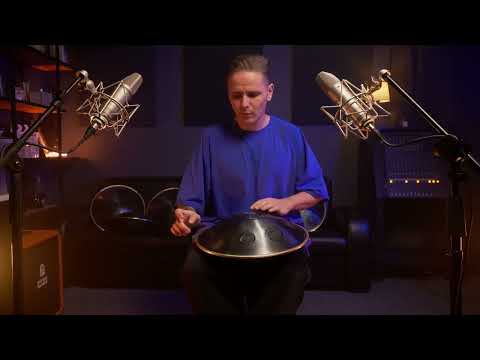

Long before we ever learn to speak or walk, before we are even born, we are already surrounded by rhythm. Inside the womb, a baby doesn’t just float in silence, they hear their mother’s heartbeat, the rhythm of blood flow, and the muffled sounds of her breathing and voice. This is the first “music” humans encounter. These steady pulses shape our sense of timing and connection long before we take our first breath.

This idea isn’t just poetic. It reflects a deep biological truth: human beings are rhythmic creatures. Our bodies pulse, sway, breathe, and beat in ways that mirror the patterns of music. Whether we’re listening to a live steel tongue drum performance, tapping our feet to a drum beat, or walking down the street, rhythm is built into who we are.
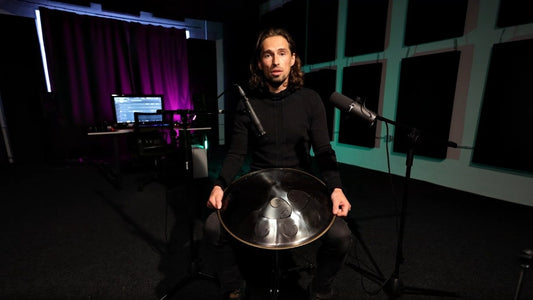
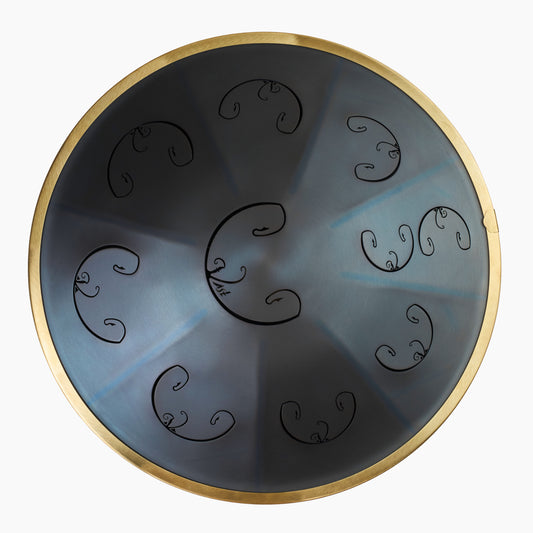
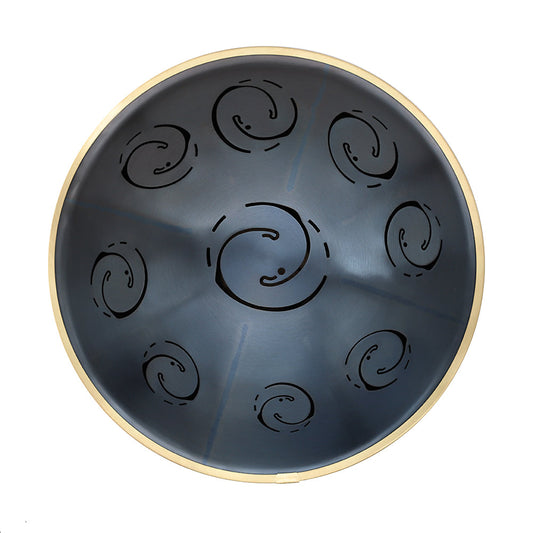
Modern instruments like the tongue drum, steel drum, or RAV Vast amplify something we already carry inside: an intuitive understanding of rhythm and vibration. This is why music resonates so powerfully with us.

The Body Itself Is Musical
Even in silence, our bodies make their own music. The heartbeat is a drum. The breath is a soft rhythm section. The steps we take as we walk create a percussive pattern that is instantly recognizable to the brain. These patterns form the foundation of our relationship to rhythm.
The heartbeat, with its steady 60–100 beats per minute, mirrors the pace of countless songs and gives us an instinctive sense of timing. Breathing shapes how we phrase words, sing, or move, creating a natural rise and fall that mirrors melodic lines. When we walk or run, each step lands like a beat, a built-in percussion we carry with us everywhere. These rhythms flow together, forming an unspoken structure that makes music feel familiar long before we ever touch an instrument.
This explains why, when we listen to instruments like a steel tongue drum, we instinctively sway, tap, or nod along. The body recognizes rhythm because it is rhythm. The RAV Vast drum, for example, produces long, resonant tones that mirror the natural pacing of breathing. This makes it especially popular in sound healing instruments sessions, yoga classes, and meditation.

Physical Rhythm and Musical Entrainment
Rhythm seeps into the body from music. The scientific name for this phenomenon is entrainment: when two separate rhythms begin to synchronize. A steel pan melody, a handpan groove, or a simple pan drum beat can shift the rhythm of our heartbeat, breathing, and even the oscillations of our brain waves. Without noticing it, we start matching the pulse outside to the pulse within.
When a rhythm is slow and steady, something remarkable happens. Breathing slows down, the heartbeat softens, the nervous system relaxes. A warm, grounded tongue drum pattern can make a room exhale in unison. When the tempo quickens, our physiology answers differently: breathing sharpens, energy surges, muscles prepare to move. This is why fast rhythmic playing, like an accelerating hang drum solo or crisp hand claps, can lift an entire crowd onto its feet.
Musicians interact with the listener’s body in real time. Every note, every shift in tempo is a signal the brain understands on a physical level. With instruments like the steel tongue drum, this connection feels especially raw and direct. Their tones sink into the body after reaching the ear, reshaping its internal tempo until breath, heart, and rhythm move as one.

Verbal Rhythms: Language Is Music
Every language carries its own rhythm, its melody, its pulse, its weight. Even before they can speak, babies recognize the prosody of their mother’s voice: the rise and fall, the pauses, the subtle accents that give language its musical shape. Speech isn’t just words; it’s structured sound. A breath sets the tempo, the tongue strikes consonants like soft percussion, and the throat and lips shape phrases into something that moves like a beat.
This is why reciting a poem, chanting in unison, or beatboxing feels so natural to us. Language itself is rhythmic. A lullaby whispered to a child, a poem with a steady meter, a prayer shared by many voices, a rapper’s tight drum tongue pattern… All turn speech into percussive flow. They reveal how communication is built on timing and pattern, the same building blocks that make us respond to music.
Instruments like the tongue drum pair effortlessly with spoken word because their tones mirror how language behaves: clear, warm, and deeply human. The natural phrasing of syllables aligns with their fluid sound, creating a shared rhythmic space between speech and music. This is why many steel tongue drum lessons teach phrasing through spoken rhythm, not as an extra technique, but as a way of returning to how rhythm has always lived in our voices.

Neural Rhythms: The Brain as a Percussion Ensemble
Music lights up the entire brain. Inside our heads, neurons communicate through electrical rhythms called brainwaves. When we listen to music, those rhythms begin to synchronize with external beats.
- Alpha waves (8–12 Hz) are linked to relaxed states, often enhanced by slow, ambient sounds like a RAV Vast drum or meditation drum.
- Beta waves (13–30 Hz) increase during focused activity, stimulated by faster tempos like a lively steel pan drum performance.
- Theta waves (4–8 Hz) appear in deeply meditative or creative states and are often induced by repetitive, soft sounds.
This rhythmic syncing explains why instruments like tongue drum, and steel tongue drum are popular in both music and therapy. They have sustained tones that align easily with neural oscillations.
Research also shows that musicians develop stronger temporal processing networks, meaning their brains become more sensitive to rhythmic cues. Simply listening to music can improve cognitive performance, emotional regulation, and memory.

How Instruments Bridge the Body and Sound
While rhythm is something we carry inside us, instruments give it shape. They turn an inner pulse into something we can hear, touch, and share. Some, like the steel tongue drum, are especially good at echoing the body’s natural cycles like the tempo of breath, the steady thump of footsteps, the quiet hum of neural activity.
- A steel tongue drum for sale might feature a scale that aligns closely with natural breathing tempos, making it easy for players to fall into a calm, steady flow.
- A steel tongue drum can hold a single tone for several seconds, mirroring the long exhale of the breath or the low rhythm of neural activity.
- A RAV instrument vibrates gently, syncing with the natural pace of walking or the beat of a resting heartbeat.
- A hand drum instrument creates a tactile experience — each strike is both felt and heard, grounding the player in the physicality of sound.
- A steelpan instrument responds instantly to touch, letting anyone create music without technical barriers.
This immediacy is what makes these instruments so powerful. They bypass layers of theory or skill and connect directly to the body’s own rhythms. That’s also why they’re used so often in sound healing instruments sessions and meditative practices. These music percussion tools make people feel the sound we make and the rhythm that lives inside us through music.
Everyday Rhythms That Show the Connection
You don’t need to be in a concert hall to feel the power of rhythm. It’s woven into the most ordinary moments of daily life, quietly shaping how we move, breathe, and interact with the world. Rhythm is something we live through.
- Footsteps syncing to the rhythm of a song playing in your headphones. Without realizing it, your body falls in step with the beat, like a built-in metronome.
- Typing on a keyboard at a steady pace can feel like a modern percussion drums pattern emerging from work, thought, and motion.
- A group clapping together at a concert or event, their hands creating a shared pulse that travels through the crowd.
- Breathing aligning naturally with the steel drum instrument you’re listening to, your lungs rising and falling to its tempo.
- Children inventing rhythms with sticks, toys, or a mini handpan, turning play into spontaneous music.

These moments may seem small, but they reveal something fundamental: even when we’re not trying to “make music”, we already are. Our lives tick, tap, and echo with internal timing. That’s why instruments like the steel tongue drum, and RAV Vast feel so intuitive. They don’t introduce rhythm into our lives; they amplify what’s already there.
This everyday entrainment—this merging of external sound with internal rhythm—is what makes music percussion such a powerful connector. A simple note can make us walk in sync, breathe deeper, or share a beat with strangers. Rhythm isn’t confined to stages or studios; it’s part of being human.
Rhythm, Healing, and the Modern World
In an age of overstimulation, rhythm can bring us back to ourselves. Instruments like the handpan, steel pan, and tank drum are often used in meditation and sound therapy because they help regulate breathing, heartbeat, and even brainwaves.
- Slow, gentle rhythms can lower cortisol levels and reduce stress.
- Playing a steel tongue drum instrument with your hands engages the somatosensory system and grounds the body.
- Listening to a meditation drum can promote states similar to deep rest.
For people who have never studied music formally, these instruments are a gentle invitation: you don’t have to be “a musician” to express your inner rhythm. All you need are your hands and your body.
Language, Rhythm, and Memory
Rhythm also shapes how we remember. That’s why it’s easier to recall a poem with a steady meter or a song’s lyrics than plain text. The brain’s hippocampus and auditory cortex work together to store rhythmic patterns more effectively. For example:
- Repeating rhythmic phrases like “ba-dum ba-dum” can mirror the heartbeat.
- Drumming patterns on a steel pan drum can be remembered like words.
This natural connection between rhythm and memory is why steel tongue drum lessons often use vocal rhythms and spoken exercises. The instrument trains your timing and your brain while making music.

Neural Rhythm Meets Collective Rhythm
Humans aren’t just rhythmic individually; we synchronize with each other. Group drumming, chanting, and singing create shared neural patterns between people. This is called interpersonal entrainment. It’s the reason choirs breathe together, dancers move as one, and strangers at a concert start clapping in perfect time.
The steel tongue drum, hang drum, and handpan drum are often used in group settings because:
- They’re easy to play together without clashing.
- They create soft, non-aggressive sounds.
- Their rhythmic structure naturally locks in with human movement.
Whether it’s a tank drum circle on a beach or a concert hall filled with handpans, what’s happening is collective biology syncing to sound.

Humans Are Rhythm
From the heartbeat in the womb to the rhythms of our neurons, music is not just something humans create. It is something we are. The body doesn’t wait to be taught rhythm; it’s built in. Instruments like the tongue drum, steel pan, and RAV Vast simply remind us of what’s already inside us.
Every step we take, every breath we draw, every beat of our heart… All moves in time with the music of life.
Whether you’re listening to a soft meditation drum, jamming on a steel tongue instrument, or simply walking down the street, remember: your body is already playing its own song.