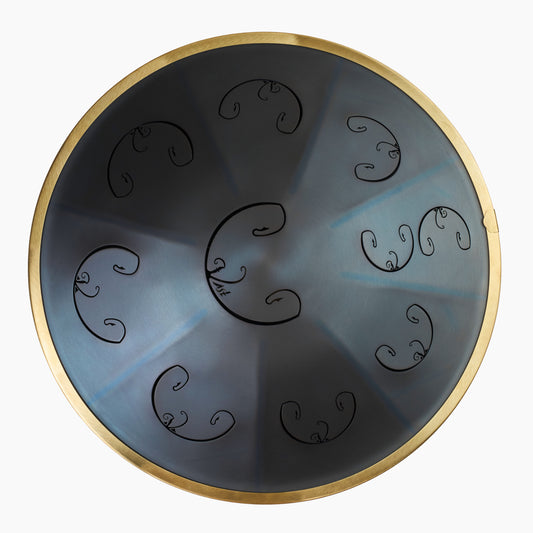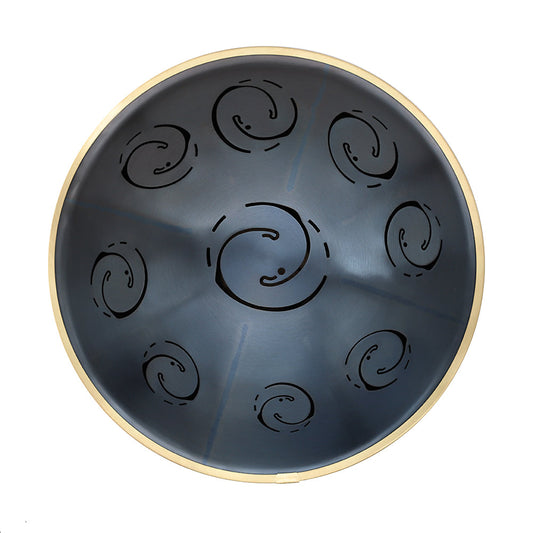

Each RAV Vast drum is tuned to a scale. Do you know what it is? Scales are a pre-selected palette of notes that work together in harmony. In other words, a RAV Vast scale is the collection of notes on the drum, typically a partial expression of a full musical key or model.
Think of it like a painter’s palette: the notes in the scale are the “colors” you paint with. The scale you choose sets the mood and story of your music. For example, a steel tongue drum in D minor (a common steel tongue drum key) uses the notes of D natural minor; this scale is characterized by its sad and introspective sound. In contrast, a major key (like D major) tends to sound bright and cheerful. In short, the scale of your steel tongue drum or RAV Vast is its musical language, a signature emotional voice that runs throughout everything you play.
What Exactly is a Scale?
A musical scale is simply a set of notes that the instrument is tuned to. On RAV Vast steel tongue drums, these notes are arranged so that almost any two notes sound pleasant together. Here are some key points for beginners:
- Scale = Palette of Notes: Just as a painter chooses a limited set of colors, a steel tongue drum scale limits you to a specific set of tones. By restricting ourselves to a palette of fewer notes, a player can more easily create harmonious melodies.
- Key and Mood: Each instrument’s scale has a root note and mode (major, minor, etc.) that sets its tonal center and mood. For example, D Minor centers on D as the root and feels somber or contemplative. D minor gives a sad and introspective character to the music. By contrast, D major (or other major-key scales) centers on a major third interval, yielding a cheerful and vibrant tone.
- Diatonic Scales: Most steel tongue drums use diatonic scales (7-note major or minor scales, possibly with one note omitted). These include all the notes of a traditional Western scale except for any gaps. Diatonic scales are intuitive because they contain only harmonically matched notes, so every note you strike will blend well. Beginners find diatonic steel tongue drums forgiving you rarely hit a “wrong” note.
- Pentatonic and Variations: Some steel tongue drums use pentatonic scales (only 5 notes), which are even simpler. Pentatonic scales (like the Pygmy scales) eliminate certain steps, making them sound very open and easy to play without dissonance. Beginners often start on pentatonic steel tongue drums because the reduced set of notes makes free improvisation very straightforward.
In music theory terms, a key (e.g. D Minor) bundles these ideas together. Saying a steel tongue drum is “in D Minor” means its root note is D and its scale pattern is that of a minor key. This immediately implies the instrument’s overall emotional tone: traditionally we associate minor keys with darker or more emotional sounds, and major keys with happy or uplifting sounds. (Of course, perceptions vary, some call minor “mystical” or even “hopeful” depending on context.) But as a beginner, it helps to know that a scale like D Kurd or D Celtic Minor will sound very different from D Major. In general, the scale of a steel tongue drum is its musical DNA, every melody and chord you play will naturally fit that scale.
Why Sticking to One Scale is a Superpower, Not a Limitation
At first, having only 8 or 9 notes might seem limiting. But in fact, this constraint is a blessing for creativity. Because steel tongue drums are limited in space and note count, instrument makers carefully select a curated, limited collection of tones. These constraints make steel tongue drums fascinating and fun: the simplicity of the scale lets you focus on expression, not memorizing a full chromatic range. In short, it’s almost impossible to play a “wrong” note on a steel tongue drum or RAV Vast in a given scale. For example, for each of the RAV scales it is impossible to make a mistake, allowing players to improvise freely.
This built-in harmony comes from physics: the chosen notes have simple frequency relationships (like octaves, fifths, etc.) so that any pair sounds consonant. You can think of it as a mini musical universe where every star (note) shines in tune with the others. As a result, even a non-musician can pick up a steel tongue drum, play any two notes together, and know it will sound pleasant. This removes a lot of creative friction. You don’t have to worry about theory or accidentals. Every extra note outside the scale can be used sparingly for spice, but is rarely needed.
Another benefit is how limitation fosters creativity. With fewer choices, you are encouraged to explore rhythms, dynamics, and novel melodies within those notes. Many players find that focusing on one scale deepens their improvisation and expression. In other fields, limiting your palette often leads to unique art, and music is no different. For example, the popular RAV Universal scale (B Universal) is especially suited for yoga and meditation: its balanced mix of major and minor intervals creates an open, consonant sound. By comparison, hitting a random note on a fully chromatic instrument could easily clash,on a tuned drum, on the other hand, it does not.
Finally, each scale carries a certain emotional character and compatible style. For instance, minor-key scales naturally lend themselves to introspective, cinematic, or ambient music. In a fixed scale, you learn what moods and chord progressions work well. In practice, artists choose their scale to match the intended feel: Celtic-style scales for folkish, airy tunes, pentatonic (Pygmy) scales for trance-like patterns, and so on. In summary, the scale doesn’t limit you but guides you toward the sound you want, ensuring everything you play stays in that style.

A Tour of Popular Scales & Their Personalities
There are over 20 RAV Vast and RAV Moon scales available. They each come with their own mood, emotional color, and musical personality. Some are bright and joyful, others deep and cinematic. What they all share is one key quality: every note is designed to harmonize, making these instruments accessible to beginners and expressive for professionals.
Below is a selection of some of the most popular and widely loved scales, especially chosen for their emotional depth and beginner-friendly layout:
B Celtic Minor – Ethereal, Emotional
Available on: RAV Vast B Celtic Minor (multiple models)
This is one of the most intuitive scales. Its notes flow naturally, creating an atmospheric, almost cinematic sound that feels both melancholic and soothing. Perfect for sound healing instruments work or meditative improvisation. The scale structure avoids harsh notes, making it ideal for first-time players.
E Low Pygmy – Tribal, Hypnotic
Available on: RAV Vast E Low Pygmy (Gold & Indigo)
With its pentatonic structure, this scale feels raw, ancient, and immersive. It lends itself to earthy, deep grooves and trance-like musical experiences. Often described as shamanic or primal, the E Low Pygmy scale is a favorite among percussion instruments lovers who want to connect with a grounded rhythm.
D Major – Bright, Joyful
Available on: RAV Moon D Major & RAV Vast D Major
For those looking to express optimism, the D Major scale brings a bright, cheerful energy. It's great for simple melodic exploration, children’s music, and uplifting ambient sessions. If you're drawn to lightness and clarity, this is your go-to mood.
D Integral – Meditative, Balanced
Available on: RAV Moon Integral D & RAV Vast A Integral
This scale walks the line between major and minor: not too happy, not too sad — just right. It’s a favorite among players looking for meditative instruments that encourage flow and intuition. Smooth, mellow, and gentle on the ears, D Integral is ideal for long improvisation sessions.
G Pygmy – Mystical, Playful
Available on: RAV Vast G Pygmy (Standard & 432 Hz)
This minor pentatonic scale feels lively but spiritual, like a musical puzzle waiting to be solved. Great for layered loops, spontaneous play, and textural exploration. Its “mystical bounce” makes it both fun and meaningful to play.
B Kurd – Deep, Cinematic
Available on: RAV Vast B Kurd (Gold & Indigo)
If you're after emotional depth and drama, B Kurd delivers. Its traditional minor layout provides the soulful intensity often used in film scores or reflective pieces. It’s rich, expressive, and ideal for players wanting a serious emotional tone.
Real-World Applications

The RAV Vast steel tongue drum is built around one of these scales. Each tongue is carefully tuned, so all notes harmonically match. The result is a very accessible, meditative sound.
You don’t need a studio or stage to make music with a RAV. These instruments are designed to fit naturally into your life, wherever calm, emotion, or creativity is needed. Here's how different RAV scales can meet you where you are:
- B Kurd & Other Minor Scales: After a long day, you sit on your couch with the drum in your lap. You strike a single note on your RAV Vast B Kurd, and it immediately resonates with how you feel. Its sound is deep, soft, and introspective. You’re not performing. You’re just processing. These minor scales are ideal for people using music as a form of emotional release, journaling, or nighttime decompression.
- Celtic Minor (B or D): You’re outside, maybe in the garden or at a park. You bring your RAV Moon Celtic Minor, and after a few intuitive taps, a soothing melody begins to flow. These scales are perfect for beginners who want a peaceful, gentle sound, whether improvising in nature, accompanying light yoga, or simply enjoying a mindful break.
- Pygmy (E or G): You light a candle and close your eyes. With your hands resting lightly on the drum, you begin a rhythmic pulse. The hypnotic tones of the RAV Vast G Pygmy seem to guide your breath. This is a favorite for those drawn to ritual, meditation, or trance-like movement. It doesn’t matter if you’ve never played before, this scale makes every rhythm feel ancient and alive.
- D Major: You’re with friends or kids, maybe introducing someone to steel tongue drum-style percussion for the first time. This scale is bright and welcoming. One tap, and they’re smiling. These scales shine in playful, social, or learning moments. They great for schools, family jam sessions, or starting the day with music that makes you feel light.
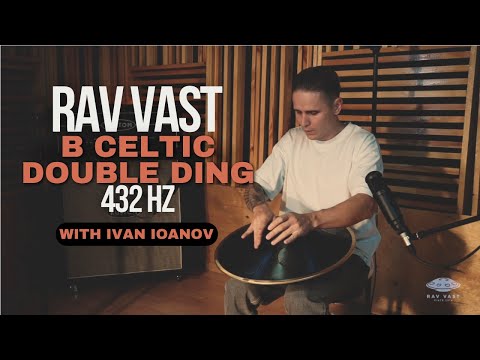
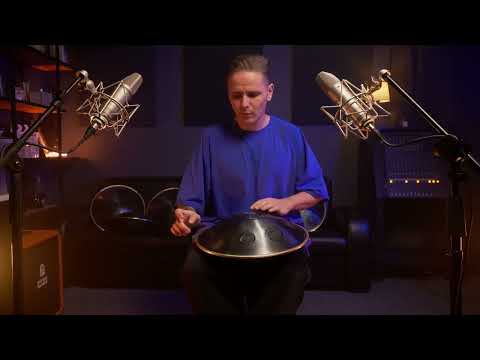
Educational videos: To hear these scales in action, you can find many RAV performances online. Watching such videos can give beginners a concrete sense of how each scale “feels” in real music.
Choosing Your Soundtrack
Every scale on a RAV Vast acts like an emotional filter on your music. It defines the tone and story of what you play. Choosing a scale is like choosing a soundtrack for your feelings. The beauty is that once you pick a scale, the drum does a lot of the work: any note you strike will harmonize with the rest.
As a beginner, the best approach is to listen to samples or demos of different scales and see which ones resonate. RAV Vast’s official Youtube channel provide video demos for their scales. You can also try mapping the notes on a piano or keyboard as a preview.
In the end, there is no “best” scale universally, only what matches your own musical vision.